
Who we serve
Retail & Shopping Centers
Parking is the first thing your customers experience and the last thing they remember. We keep retail lots safe, legible, and open for business.
What makes this property type different
- Work must happen without closing the centre or blocking anchor tenants
- Trip hazards and potholes in high footfall areas carry real claim exposure
- Accessible parking ratios scale with total spaces and are frequently out of compliance
- Tenant lease obligations often specify pavement condition standards
A shopping centre lot works harder than almost any other pavement we maintain. Constant low-speed turning traffic, delivery vehicles at the service side, and heavy pedestrian movement between rows all age it in different ways.
Phasing around trading hours
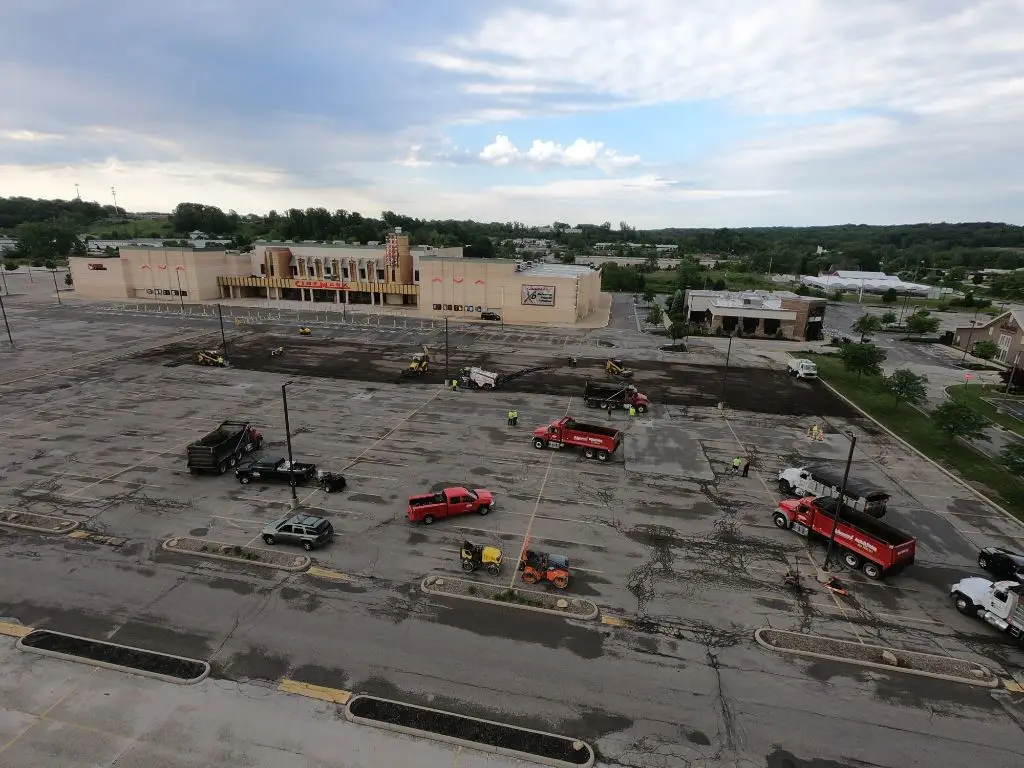
We schedule retail work in phases so the centre keeps trading. That usually means night work, section-by-section closures, and clear temporary wayfinding so customers can still find the entrance they expect.
The liability exposure
Retail generates more premises liability claims than any other property type we work on, and pavement defects are a leading cause. Trip hazards at sidewalk joints, potholes in parking bays, and faded crosswalk markings are all inexpensive to correct and expensive to litigate.
What we typically recommend
An annual condition survey with photographs, a prioritized list of defects by risk, and a phased budget that spreads correction over the fiscal year rather than presenting one unaffordable number.
Our work
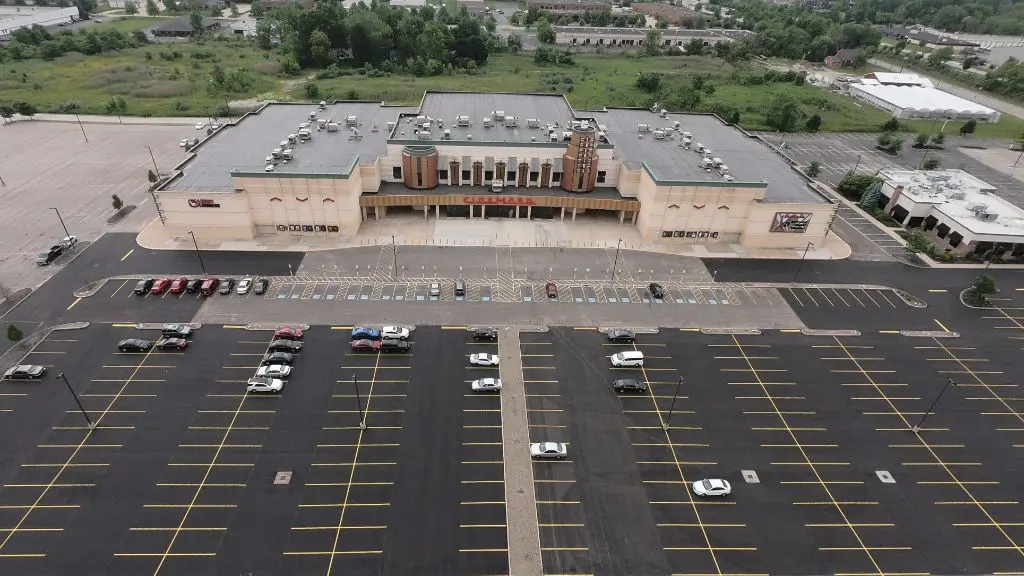
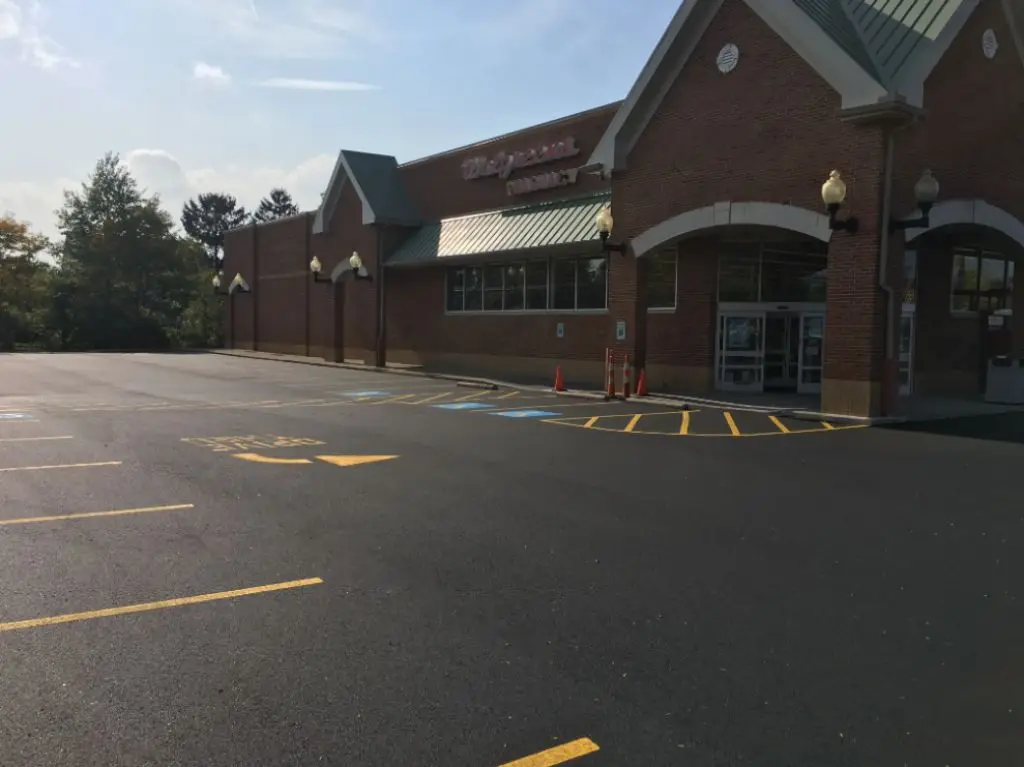
Retail properties we have worked on
Questions we get from Retail clients
Can you work without closing the centre?
Yes, and it is how we run nearly every retail job. Work is phased section by section, generally overnight or outside peak trading, with temporary wayfinding so customers can still reach the entrances they expect. Anchor tenant access and service deliveries are planned around, not interrupted.
How often should a retail lot be resealed?
Every two to three years for most centres. Retail lots see constant low-speed turning traffic, which wears the surface faster than through-traffic does, so they tend to sit at the shorter end of that range.
Request received
Thanks — we've got it. One of our estimators will be in touch within one business day. If it's urgent, call 954-210-7481.
Other property types we serve
Want a number you can put in a budget?
We will assess the property and send a written scope and price. No obligation.